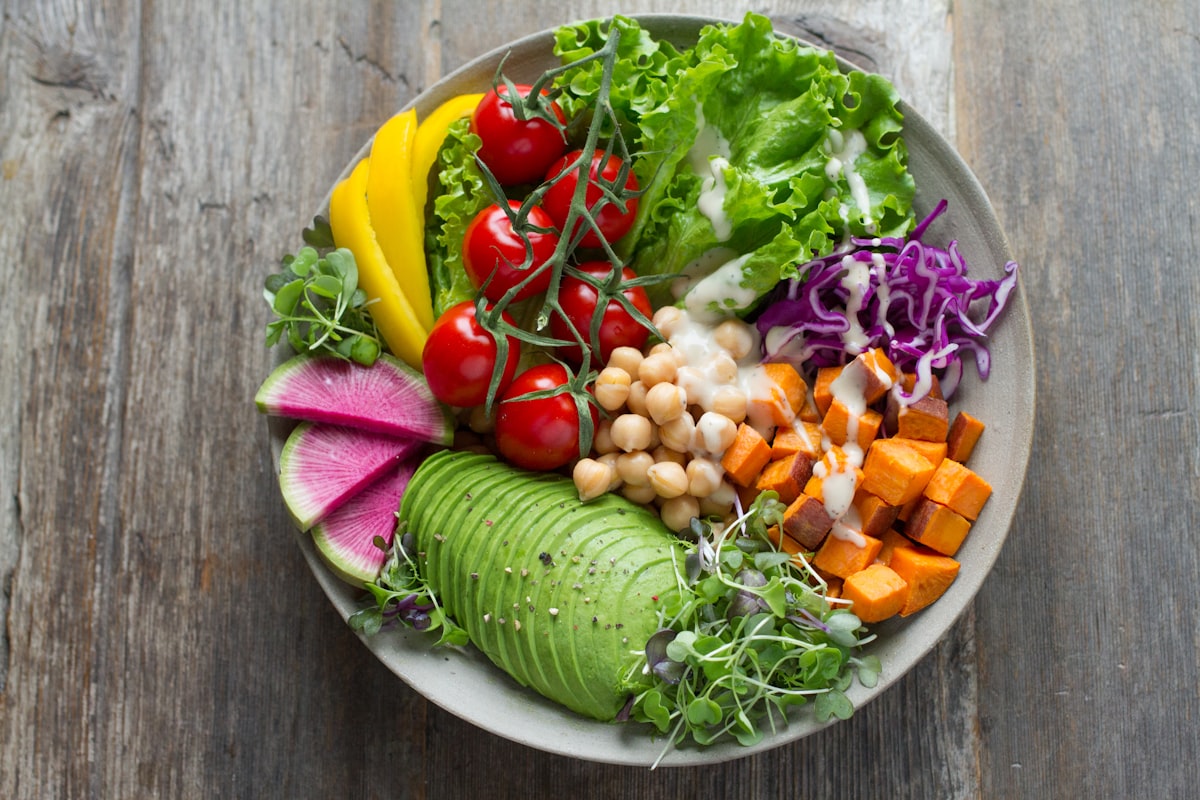
The Sunday meal prep ritual is supposed to save you time, money, and willpower all week. But here is a question most meal preppers never ask: how fresh was that produce when it went into the containers? Because the freshness of your ingredients at prep time is the single biggest factor in whether your Tuesday lunch tastes great or goes straight into the trash.
When you start with produce that is already past its peak, you are building on a crumbling foundation. Those containers might look beautiful on Sunday evening, but by Wednesday the textures are off, the colors have faded, and something in the back of the fridge smells suspect. The fix is simple: scan before you prep. A quick freshness check — whether by eye, by hand, or with an AI-powered tool like PluckFresh — ensures every ingredient is at peak quality before it goes into a container.
Below are five complete meal prep recipes, each designed around produce that holds up beautifully across the week — as long as you start with the freshest version of it.
Why Freshness Matters for Meal Prep
Produce that is already declining when you prep it will spoil 1–2 days sooner than produce at peak freshness. That is the difference between meal prep that lasts until Friday and meal prep you throw out on Wednesday. A 3-second freshness scan before you start cooking can save you an entire batch.
1. Mediterranean Veggie Bowl
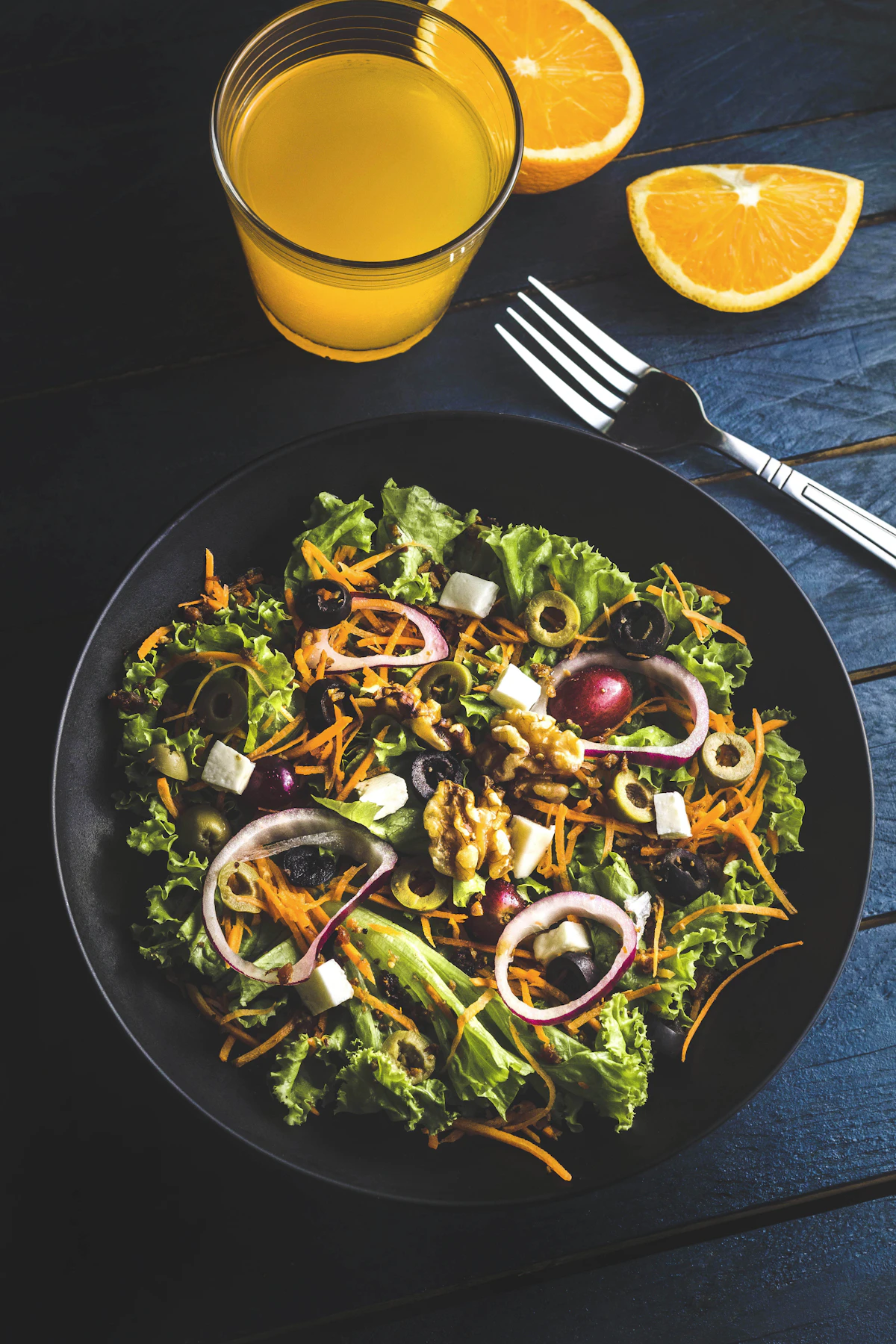
This is the gold standard of meal prep bowls — bright, crunchy, and satisfying on day five as it was on day one. The key is selecting bell peppers, cucumbers, and tomatoes that are firm and vibrant, not soft or wrinkled.
Ingredients (4 servings)
- 2 large bell peppers (red and yellow), diced
- 1 English cucumber, halved and sliced
- 1 cup cherry tomatoes, halved
- 1 can (15 oz) chickpeas, drained and rinsed
- 1/2 cup kalamata olives, halved
- 1/2 red onion, thinly sliced
- 1 cup cooked quinoa or farro
- 1/2 cup crumbled feta cheese
- 4 tbsp hummus (for topping)
Dressing
- 3 tbsp extra virgin olive oil
- 2 tbsp red wine vinegar
- 1 tsp dried oregano
- 1 clove garlic, minced
- Salt and pepper to taste
Instructions
- Cook quinoa or farro according to package directions. Let cool completely.
- Whisk together dressing ingredients in a small bowl.
- Divide grains evenly among four containers.
- Arrange bell peppers, cucumber, tomatoes, chickpeas, olives, and red onion in sections on top of the grain base.
- Add feta and a dollop of hummus to each container.
- Store dressing in small separate containers — add just before eating to keep vegetables crisp.
Freshness Tips
- Bell peppers: Look for taut, glossy skin with no wrinkles. A fresh pepper feels heavy for its size. PluckFresh scans can detect early softening before it is visible.
- Cucumbers: Should be uniformly firm from end to end. Soft tips mean they are already declining.
- Cherry tomatoes: Bright color, smooth skin, no cracks. Store separately from grains to prevent sogginess.
Storage: 4–5 days refrigerated. Keep dressing separate until serving.
2. Thai-Inspired Mango Chicken Bowls

Sweet, tangy, and packed with texture. This bowl brings together ripe mango, crunchy cabbage, and fragrant cilantro in a peanut-lime dressing that gets better as it sits. But it only works if the mango is at the right stage — too firm and it lacks sweetness, too soft and it turns mushy by Tuesday.
Ingredients (4 servings)
- 1.5 lbs boneless, skinless chicken thighs
- 2 ripe mangoes, diced
- 3 cups shredded purple cabbage
- 1 large carrot, julienned
- 1/2 cup fresh cilantro, roughly chopped
- 1/4 cup roasted peanuts, crushed
- 2 cups cooked jasmine rice
- 1 lime, cut into wedges
Peanut-Lime Dressing
- 3 tbsp natural peanut butter
- 2 tbsp soy sauce (or tamari for gluten-free)
- 1 tbsp lime juice
- 1 tbsp rice vinegar
- 1 tsp sriracha (adjust to taste)
- 2 tbsp warm water to thin
Instructions
- Season chicken thighs with salt, pepper, and a splash of soy sauce. Grill or pan-sear over medium-high heat for 6–7 minutes per side until cooked through. Let rest, then slice.
- Whisk together all dressing ingredients until smooth.
- Divide jasmine rice among four containers.
- Arrange sliced chicken, diced mango, shredded cabbage, and julienned carrot on top.
- Pack cilantro, crushed peanuts, and lime wedges in small separate containers or bags.
- Store dressing separately.
Freshness Tips
- Mango: Should yield slightly to gentle pressure and smell fragrant at the stem end. A PluckFresh scan can tell you if it is 1–2 days from peak versus already there — critical for meal prep timing.
- Cabbage: One of the most durable meal prep vegetables. Choose heads that feel dense and heavy with crisp outer leaves.
- Cilantro: Extremely perishable. Store stems in a small jar of water inside your fridge and add fresh to each bowl at mealtime rather than prepping it in.
Storage: 4 days refrigerated. Add cilantro, peanuts, and dressing at serving time.
PluckFresh Tip
Mangoes are one of the trickiest fruits to time correctly. They can go from underripe to overripe in a single day. PluckFresh's freshness scanner evaluates skin color gradients and surface texture to estimate exactly where a mango sits in its ripeness window — so you can buy for Sunday prep with confidence.
3. Roasted Sweet Potato & Kale Power Bowl

This is the meal prep bowl that laughs at Thursday. Roasted sweet potatoes hold their texture beautifully across the week, massaged kale actually improves with time, and chickpeas are the ultimate shelf-stable protein. It is hearty, nutritious, and virtually foolproof.
Ingredients (4 servings)
- 3 medium sweet potatoes, cubed (about 1-inch pieces)
- 1 large bunch curly kale, stems removed and leaves chopped
- 1 can (15 oz) chickpeas, drained, rinsed, and patted dry
- 1/2 cup dried cranberries
- 1/4 cup pepitas (pumpkin seeds)
- 2 tbsp olive oil
- 1 tsp smoked paprika
- 1/2 tsp cumin
- Salt and pepper to taste
Tahini Dressing
- 3 tbsp tahini
- 2 tbsp lemon juice
- 1 tbsp maple syrup
- 2–3 tbsp warm water to thin
- Pinch of salt
Instructions
- Preheat oven to 425°F (220°C). Toss sweet potato cubes with 1 tbsp olive oil, smoked paprika, cumin, salt, and pepper. Spread on a baking sheet and roast for 25–30 minutes, flipping halfway.
- On a separate baking sheet, toss chickpeas with remaining 1 tbsp olive oil and a pinch of salt. Roast alongside the sweet potatoes for the last 20 minutes until crispy.
- Massage chopped kale with a drizzle of olive oil and a squeeze of lemon juice for 2–3 minutes until it softens and turns a deeper green.
- Whisk together tahini dressing ingredients.
- Divide kale among four containers. Top with roasted sweet potatoes, crispy chickpeas, cranberries, and pepitas.
- Store dressing in small separate containers.
Freshness Tips
- Sweet potatoes: Choose firm specimens with smooth, unblemished skin. Avoid any with soft spots, sprouts, or a musty smell. Fresh sweet potatoes roast more evenly and hold up longer in storage.
- Kale: Look for deep, vibrant color with no yellowing. Leaves should be crisp, not limp. Massaging before storage actually extends its meal prep life by breaking down tough cell walls.
- Chickpeas: While canned chickpeas are shelf-stable, patting them dry before roasting is critical for getting that crispy texture that holds up across the week.
Storage: 5 days refrigerated. This is one of the longest-lasting meal prep options because roasted root vegetables and hearty greens are remarkably stable.
4. Spring Green Grain Bowl

This bowl captures the best of spring produce — tender asparagus, sweet peas, creamy avocado, and fluffy quinoa. It is lighter than the fall and winter power bowls, perfect for when the weather starts warming up and you want something that feels fresh rather than filling.
Ingredients (4 servings)
- 1 bunch asparagus (about 1 lb), trimmed and cut into 2-inch pieces
- 1 cup fresh or frozen green peas
- 2 ripe avocados (to be added at serving time)
- 2 cups cooked quinoa
- 4 soft-boiled eggs (6.5 minutes), halved
- 2 tbsp hemp seeds
- Microgreens or sprouts for topping
Lemon-Herb Vinaigrette
- 3 tbsp extra virgin olive oil
- 2 tbsp fresh lemon juice
- 1 tsp Dijon mustard
- 1 tbsp fresh dill, minced (or 1 tsp dried)
- 1 small clove garlic, minced
- Salt and pepper to taste
Instructions
- Blanch asparagus in salted boiling water for 2–3 minutes until bright green and crisp-tender. Transfer to an ice bath immediately. Drain and pat dry.
- If using fresh peas, blanch for 1 minute and ice-bath. Frozen peas can be thawed and used directly.
- Soft-boil eggs: lower into boiling water for exactly 6.5 minutes, then ice-bath for 5 minutes. Peel and halve.
- Whisk together vinaigrette ingredients.
- Divide quinoa among four containers. Arrange blanched asparagus, peas, and egg halves on top. Sprinkle with hemp seeds.
- Store vinaigrette and microgreens separately. Slice avocado fresh at serving time.
Freshness Tips
- Asparagus: Freshness drops fast with this vegetable. Look for firm, bright-green stalks with tightly closed tips. The cut ends should look moist, not dried out or woody. Use within 2 days of purchasing for best results.
- Peas: Fresh peas in the pod should feel plump and snap crisply. If using frozen, they are actually flash-frozen at peak freshness and work perfectly for meal prep.
- Avocado: Do not prep avocado in advance — it browns within hours. Buy avocados at varying ripeness stages so you have one ready for each day. A PluckFresh scan can help you select avocados at staggered ripeness levels.
Storage: 4 days refrigerated (without avocado). Add avocado, microgreens, and dressing at serving time.
Meal Prep Pro Tip
Some ingredients should never be prepped into the container. Avocado, fresh herbs, dressings, nuts, and seeds all do better when stored separately and added at mealtime. Think of your meal prep container as 80% done — the last 20% happens at your desk.
5. Tropical Smoothie Prep Packs

Not every meal prep has to be a bowl. Smoothie prep packs are one of the smartest ways to use produce that is at peak ripeness right now but would not last the full week raw. By freezing fruit and greens at their freshest, you lock in nutrients and flavor for up to three months.
Ingredients (5 packs)
- 3 ripe bananas, peeled and sliced
- 2 cups mixed berries (strawberries, blueberries, raspberries)
- 3 cups baby spinach
- 1/2 cup mango chunks (optional)
- 2 tbsp chia seeds
- 2 tbsp flax meal
Per Pack, at Blending Time
- 1 cup liquid (almond milk, oat milk, coconut water, or regular milk)
- 1 tbsp nut butter or protein powder (optional)
- Honey or maple syrup to taste (optional)
Instructions
- Divide banana slices, berries, spinach, and mango chunks evenly among five freezer-safe bags or containers.
- Add a small scoop of chia seeds and flax meal to each pack.
- Press out excess air, seal, and freeze flat for easy stacking.
- To serve: empty one pack into a blender, add 1 cup liquid and any extras, and blend until smooth.
Freshness Tips
- Bananas: Freeze them at the brown-spotted stage — that is when they are sweetest. Bananas that are still mostly yellow will produce a blander smoothie. A quick scan can confirm peak sweetness timing.
- Berries: Fresh berries should be plump, uniformly colored, and dry (no moisture pooling in the container). Freeze them within a day of purchase for maximum nutrition. Check the bottom of the container for crushed or moldy berries before buying.
- Spinach: Vibrant, dark-green leaves with no slimy or yellowing patches. Baby spinach freezes beautifully and you will not taste it once blended with fruit.
Storage: Up to 3 months in the freezer. Once blended, consume immediately or refrigerate for up to 24 hours.
How Scanning Produce Extends Your Meal Prep Shelf Life
Every recipe above has a storage estimate — 4 days, 5 days, 3 months frozen. But those estimates assume you started with peak-fresh ingredients. Here is why that assumption matters more than most people realize.
Produce deterioration is not linear. A bell pepper does not lose 10% of its freshness each day in a neat, predictable decline. Instead, it holds relatively steady for most of its life, then drops off a cliff. The difference between a pepper that is two days from that cliff and one that is five days from it is invisible to most shoppers — but it is the difference between meal prep that makes it to Friday and meal prep that does not.
Starting meal prep with produce at peak freshness can extend usable shelf life by 1–2 full days. Over a year of weekly meal prepping, that adds up to roughly 50–100 fewer containers of wasted food.
This is where a freshness scan changes the game. Whether you are using the squeeze-and-smell method or a tool like PluckFresh's AI-powered scanner, the goal is the same: verify that your produce is at or near peak freshness before it goes into prep. A few seconds of scanning per ingredient can mean the difference between a successful meal prep week and a disappointing one.
The Scan-First Workflow
Before you start chopping on Sunday, lay out all your produce and do a quick freshness audit. Any items past their peak can go into tonight's dinner instead. Items at peak freshness go into meal prep. Items that are not quite ripe yet can be set aside for a mid-week refresh. This simple triage takes two minutes and dramatically reduces waste.
FAQ: Meal Prep and Produce Freshness
How long does meal prep last in the fridge?
Most meal prep lasts 3–5 days when stored in airtight containers. Grain bowls with roasted vegetables tend to last longest (4–5 days), while bowls with raw produce and dressings are best consumed within 3–4 days. Starting with the freshest possible ingredients pushes you toward the upper end of these ranges.
Does produce freshness really affect meal prep shelf life?
Yes, and measurably so. Bacteria and enzymatic breakdown are already accelerating in produce that has passed its peak. When you cook or store that produce in a sealed container, those processes do not stop — they speed up. Starting fresh gives you a 1–2 day advantage over starting with produce that is already declining.
Can AI help with meal prep planning?
Absolutely. PluckFresh uses computer vision to scan produce and assess freshness in about 3 seconds. You can use it at the store to select the freshest ingredients, or at home before prepping to decide which items to cook now and which to save. It also provides estimated days of remaining freshness and storage recommendations tailored to each item.
What produce lasts longest in meal prep?
Root vegetables (sweet potatoes, carrots, beets), cruciferous vegetables (cabbage, broccoli, kale), and legumes (chickpeas, lentils) are the endurance athletes of meal prep, lasting 4–5 days easily. Delicate items like avocado, fresh herbs, and sliced tomatoes should be stored separately and added at mealtime.
Should I meal prep with raw or cooked vegetables?
It depends on the vegetable. Hardy items like sweet potatoes, bell peppers, and broccoli hold up well cooked. Leafy greens like kale are best stored raw (especially if massaged) and do well in containers. Cucumbers and tomatoes should stay raw and ideally be stored in a separate compartment to prevent moisture from affecting other ingredients.
Scan First. Prep Smarter. Waste Less.
PluckFresh's AI-powered produce scanner helps you start every meal prep with peak-fresh ingredients. Free for iOS.
Get Notified at Launch

